
Advances in Strategic Human Resource Management (HRM), IIT Bombay
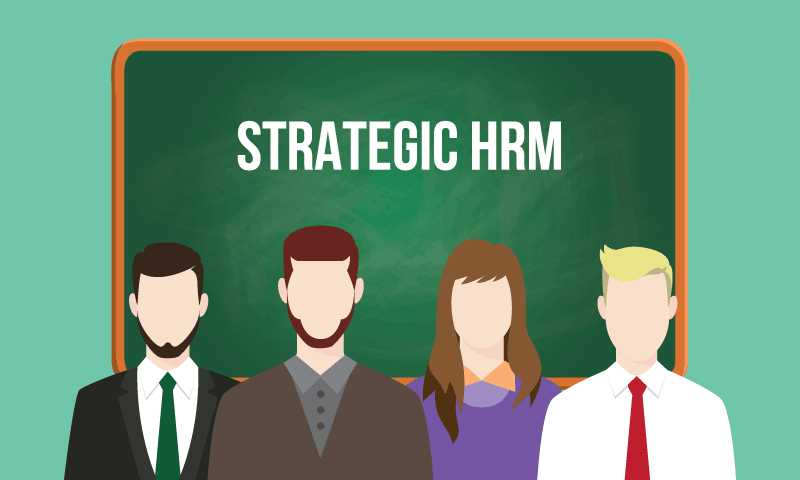
1. Introduction to SHRM Definition and Concept Strategic Human Resource Management (SHRM) involves managing human capital in a way that aligns HR policies and practices with long-term organizational objectives. It integrates human resource strategies with corporate strategies to enhance organizational …
Overview

A six-month internship can be a
transformative experience,
equipping interns with valuable
skills and insights while
contributing to the organization’s
goals. Proper structure,
mentorship, and evaluation are
crucial for maximizing this opportunity.
Six months internship
A selective professional online
course can significantly enhance
career prospects by equipping participants
with relevant skills and knowledge.
By focusing on practical applications, expert
instruction, and networking,
such courses serve as valuable
resources for professional growth.
Selective professional online course
Weekly live classes offer a dynamic
and interactive learning experience,
combining the benefits of real-time
engagement with structured content.
This format not only enhances
knowledge acquisition but also builds
a community of learners, facilitating
networking and ongoing collaboration.
Weekly live class
Internship certificate
after successful
completion
A letter of recommendation after
an internship is a powerful tool for
interns as they transition to their next
steps in their careers or education.
By highlighting their strengths,
contributions, and potential,
this letter can significantly enhance
their opportunities and build their
professional reputation.
Letter of recommendation
transformative experience,
equipping interns with valuable
skills and insights while
contributing to the organization’s
goals. Proper structure,
mentorship, and evaluation are
crucial for maximizing this opportunity.
Six months internship
course can significantly enhance
career prospects by equipping participants
with relevant skills and knowledge.
By focusing on practical applications, expert
instruction, and networking,
such courses serve as valuable
resources for professional growth.
Selective professional online course
and interactive learning experience,
combining the benefits of real-time
engagement with structured content.
This format not only enhances
knowledge acquisition but also builds
a community of learners, facilitating
networking and ongoing collaboration.
Weekly live class
Internship certificate
after successful
completion
an internship is a powerful tool for
interns as they transition to their next
steps in their careers or education.
By highlighting their strengths,
contributions, and potential,
this letter can significantly enhance
their opportunities and build their
professional reputation.
Letter of recommendation


1. Introduction to SHRM
Definition and Concept
Strategic Human Resource Management (SHRM) involves managing human capital in a way that aligns HR policies and practices with long-term organizational objectives. It integrates human resource strategies with corporate strategies to enhance organizational performance and competitiveness.
SHRM vs. Traditional HRM
| Aspect | SHRM | Traditional HRM |
|---|---|---|
| Focus | Long-term organizational strategy | Day-to-day operations and administrative tasks |
| Approach | Proactive and forward-looking | Reactive and focused on short-term needs |
| Role of HR | Strategic partner in business planning and execution | Transactional, focused on compliance and workforce administration |
| Measurement of Success | Organizational outcomes (e.g., performance, growth) | Efficiency in HR processes (e.g., recruitment, payroll) |
| Integration with Business | Fully integrated with the overall business strategy | HR function operates separately from strategic planning |
2. Historical Evolution of SHRM
The evolution of SHRM can be categorized into several stages:
1960s – Personnel Management
- Focus on employee welfare, administration, and labor relations.
1970s – Human Resource Management (HRM)
- Emergence of HRM as a formal field, focusing on organizational efficiency, recruitment, training, and compensation.
1980s – Emergence of SHRM
- Integration of HR functions into business strategies. Recognition of human resources as a source of competitive advantage.
1990s – Growth of Strategic Importance
- Shift toward resource-based view (RBV), where people are seen as key resources that contribute to strategic capabilities.
2000s and Beyond – Advanced SHRM Practices
- Emphasis on agility, innovation, digital transformation, and data-driven HR practices.
| Period | Key Focus | Advances |
|---|---|---|
| 1960s | Personnel administration | Employee welfare, labor relations |
| 1970s | HRM introduced | Organizational efficiency, recruitment, training |
| 1980s | Strategic HRM | HR integrated into business strategy |
| 1990s | Strategic importance | RBV, human capital as a competitive advantage |
| 2000s and beyond | Advanced practices | Digital transformation, data-driven HR, AI in HR |
3. Key Theoretical Frameworks in SHRM
3.1. The Resource-Based View (RBV)
The Resource-Based View theory posits that a firm’s competitive advantage lies in its internal resources, including its workforce, rather than external factors. In SHRM, this means that human capital is treated as a strategic asset.
| RBV Concept | Explanation |
|---|---|
| Valuable Resources | Employees must provide value that cannot easily be replicated by competitors. |
| Rare Resources | HR policies focus on creating unique talent pools. |
| Inimitable Resources | Skills, knowledge, and culture are difficult for competitors to imitate. |
| Organized Resources | The organization must structure HR practices to support the utilization of these assets. |
3.2. Human Capital Theory
Human Capital Theory emphasizes investment in people through education, training, and experience, leading to improved organizational performance. SHRM strategies focus on maximizing the return on investment in human resources.
| Human Capital Investment | Expected Outcome |
|---|---|
| Education and Training | Improved skills, higher productivity |
| Job Enrichment | Enhanced employee engagement and performance |
| Experience | Development of organizational expertise |
3.3. Contingency Theory
The Contingency Theory suggests that SHRM practices should be aligned with specific organizational circumstances such as industry type, company size, and business environment.
| Organizational Factor | HR Strategy Alignment |
|---|---|
| Size of the Organization | Larger firms require more formalized HR structures. |
| Industry Type | Tech industries focus on innovation and agile HR practices. |
| Business Environment | Dynamic environments need flexible and adaptive HR policies. |
4. Modern Advances in SHRM
4.1. Digital Transformation in SHRM
With the advent of technology, SHRM has increasingly incorporated digital tools for data management, recruitment, employee engagement, and performance monitoring.
| Digital HR Tools | Functionality |
|---|---|
| HR Information Systems (HRIS) | Automates HR tasks like payroll, employee data management. |
| Applicant Tracking Systems | Streamlines recruitment by tracking candidates. |
| AI and Machine Learning | Used for predictive analytics in recruitment and talent management. |
4.2. Big Data and People Analytics
People analytics involves the use of data to make informed HR decisions. This helps in predicting employee performance, retention rates, and improving workforce planning.
| HR Analytics Type | Application |
|---|---|
| Descriptive Analytics | Provides insight into past HR performance. |
| Predictive Analytics | Anticipates future trends such as turnover or hiring needs. |
| Prescriptive Analytics | Recommends actions for improved outcomes based on data. |
4.3. Employee Experience (EX) and Well-being
SHRM is increasingly focusing on enhancing the employee experience by promoting well-being, work-life balance, and personalized career paths. A positive employee experience is linked to higher engagement, productivity, and retention.
| Employee Experience Elements | Impact on Performance |
|---|---|
| Work-life Balance | Increases job satisfaction and reduces turnover. |
| Health and Well-being Initiatives | Boosts morale and decreases absenteeism. |
| Career Development Opportunities | Enhances employee engagement and retention. |
4.4. Agile HR
Agile HR practices have become essential in fast-changing industries, enabling organizations to adapt quickly to market and business needs. This shift focuses on cross-functional teams, continuous feedback, and rapid iterations in people management.
| Agile HR Practice | Benefit to Organization |
|---|---|
| Continuous Feedback Loops | Immediate adjustments in performance and development. |
| Cross-functional Teams | Encourages collaboration and diverse problem-solving. |
| Iterative HR Processes | Allows for rapid response to organizational changes. |
5. SHRM and Organizational Performance
SHRM practices significantly impact organizational performance by:
- Enhancing productivity: Strategic HR practices such as talent development, performance management, and motivation boost workforce productivity.
- Improving employee retention: With better alignment between employees’ goals and organizational goals, turnover rates decrease.
- Fostering innovation: SHRM encourages continuous learning, knowledge sharing, and an innovation-friendly culture.
| SHRM Practice | Organizational Outcome |
|---|---|
| Talent Management Programs | High retention, employee engagement, and leadership pipeline. |
| Performance Management Systems | Increased productivity and alignment with business objectives. |
| Learning and Development | Continuous innovation and enhanced employee skills. |
6. Globalization and Cross-Cultural SHRM
6.1. Global Workforce Management
SHRM in a global context involves managing diverse cultural backgrounds, regulatory environments, and talent mobility. The challenges of globalization include managing expatriate assignments, cross-cultural training, and global talent acquisition.
| Global SHRM Challenge | Strategic Response |
|---|---|
| Managing Expatriates | Tailored training, compensation, and repatriation policies. |
| Cultural Diversity | Implementing diversity and inclusion programs globally. |
| Compliance with Local Laws | Ensuring HR practices meet local regulatory requirements. |
6.2. Diversity, Equity, and Inclusion (DEI)
Diversity, Equity, and Inclusion have become a central focus of SHRM. Organizations are recognizing the value of diverse teams for innovation, market expansion, and building a positive corporate reputation.
| DEI Initiative | Impact |
|---|---|
| Unconscious Bias Training | Reduces discrimination and fosters an inclusive culture. |
| Equity-based Compensation | Ensures fair pay across gender, race, and roles. |
| Inclusive Leadership Development | Builds leaders who value diversity and drive innovation. |
7. Future Trends in SHRM
7.1. Artificial Intelligence (AI) and Automation in HR
AI is revolutionizing HR by automating tasks such as resume screening, employee engagement surveys, and performance appraisals. This frees up HR professionals to focus on strategic initiatives like workforce planning.
| AI in HR Function | Description |
|---|---|
| Recruitment Automation | Automates resume screening and candidate assessments. |
| Chatbots for Employee Queries | Provides instant answers to HR-related questions. |
| Predictive Talent Analytics | Identifies potential high performers and flight risks. |
7.2. Sustainability and Green HRM
Green HRM involves integrating sustainable practices into HR functions. This includes promoting eco-friendly workplace policies, reducing the carbon footprint of HR activities, and supporting sustainability goals through employee engagement.
| Green HRM Practice | Sustainability Outcome |
|---|---|
| Paperless HR Systems | Reduces environmental impact by minimizing paper usage. |
| Telecommuting and Remote Work | Decreases the need for office space and transportation. |
| Sustainability Training Programs | Educates employees on eco-friendly practices. |
Curriculum
Curriculum
- 4 Sections
- 40 Lessons
- 10 Weeks
- week-0112
- 1.0The Evolution and Role of HR Function
- 1.1Evolution and Nature of Strategic Human Resource Management
- 1.2Contributions of and Trends in HR Function
- 1.3Measuring Effectiveness of HR Function
- 1.4Competence Maturity Model and People Competence Maturity Model
- 1.5Organizational Healing: An Introduction
- 1.6Working with Remote Teams
- 1.7Restoring Social and Psychological Well-being
- 1.8Employee Assistance Program
- 1.9Talent Management: An Introduction
- 1.10Potential Matrix: A Tool for Talent Management
- 1.11HR Digitization for Talent Management
- week-0214
- 2.0Positive Employee Relation: The Introduction
- 2.1Positive Work Practices in Organization
- 2.2Humanistic Management Model
- 2.3Link of Humanistic Model and HR Processes
- 2.4Process to make organization great place to work
- 2.5Diversity Management: The Introduction
- 2.6Significance of a Diverse and Inclusive Workplace
- 2.7Significance of a Diverse and Inclusive Workplace
- 2.8Biases in Organization and Ways of their Resolution
- 2.9Intergenerational Relationships in Organization: The Introduction
- 2.10Classifications of Generations at Workforce
- 2.11Types and Attributes of Generations at Workplace
- 2.12Ways of Synergizing Across Generations
- 2.13Ways of enhancing Intergeneration Synergy
- week-038
- 3.0Intergenerational Relationships in Organization: The Introduction
- 3.1Classifications of Generations at Workforce
- 3.2Types and Attributes of Generations at Workplace
- 3.3Ways of Synergizing Across Generations
- 3.4Intergenerational Relationships in Organization: The Introduction
- 3.5Classifications of Generations at Workforce
- 3.6Types and Attributes of Generations at Workplace
- 3.7Ways of Synergizing Across Generations
- week-046
- 4.0Role and Challenges of Sustainable HRM
- 4.1Contribution of HRM in Corporate Sustainability & Corporate Social Responsibility
- 4.2Ways to integrate Corporate Sustainability & Corporate Social Responsibility with HRM
- 4.3Important HR Metrics and Ratios in HRM Function
- 4.4HR Analytics explained through Case Examples
- 4.5Tools for Effective Decision Making and Factors for Success in Future at Work
Instructor

Reviews
You May Like


Business Analytics For Management Decision
Business Analytics for Management Decision is a field that uses data analysis, statistical models, and computational tools to support managerial decision-making. Business analytics bridges...
Data Analytics with Python
1. Introduction to Data Analytics Data analytics is the structured analysis of raw data to find trends, patterns, and insights that help in decision-making....

Marketing research and analysis, IIT Roorkee
Marketing research and analysis are systematic approaches businesses use to gather, analyze, and interpret data about markets, competitors, customers, and consumer behavior. It helps...
Python for Data Science, IIT Madras
1. Introduction to Python for Data Science Python is a versatile, high-level programming language widely used in data science. It’s particularly favored due to:...

Understanding Creativity and Creative Writing, IIT Bombay
Understanding Creativity and Creative Writing Creativity is a concept often associated with originality, innovation, and imagination. It is the ability to generate new ideas,...
Course Features
- Lectures 40
- Quizzes 0
- Duration 10 weeks
- Skill level All levels
- Language English
- Students 0
- Assessments Yes